Handwriting Is More Than Just Neat Writing: How Occupational Therapy Supports Writing Success
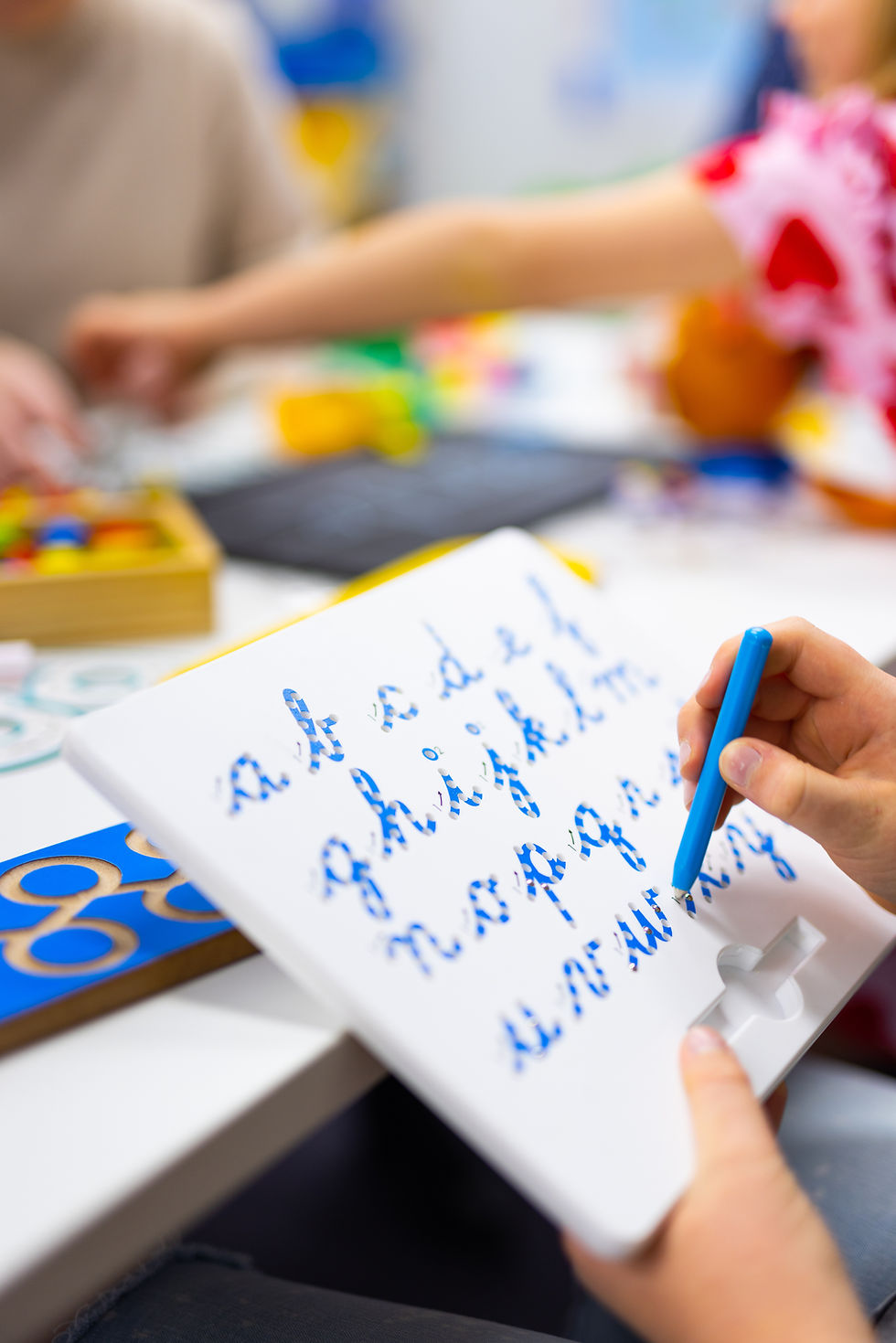
Handwriting Is About More Than Neat Writing
When parents think about handwriting, they often picture neat letters sitting perfectly on a page. However, handwriting is far more complex than simply writing neatly. It is a skill that relies on the coordination of many different physical, sensory, visual and cognitive abilities working together.
If one of these underlying skills is difficult, handwriting may become slow, tiring or frustrating. Some children may avoid writing altogether, while others may struggle to keep up with classroom expectations.
At South Coast Therapy & Support Group, our occupational therapists work with children and families across the Shoalhaven and Illawarra to identify the underlying skills affecting handwriting and develop practical strategies that support participation both at school and at home.
Why Is Handwriting Important?
Although technology plays an increasing role in education, handwriting remains an important life skill.
Children use handwriting every day to:
Complete classroom activities
Record their ideas
Demonstrate their learning
Complete homework
Write stories
Fill in forms
Organise their thoughts
Develop literacy skills
When handwriting is difficult, children may spend so much energy focusing on forming letters that they have less attention available for spelling, grammar, creativity and learning.
The Skills Behind Good Handwriting
Handwriting relies on much more than holding a pencil correctly.
Fine Motor Skills
Small muscles in the hands and fingers allow children to manipulate pencils with precision and control.
Hand Strength
Writing requires endurance. Weak hand muscles may cause children to tire quickly or press too hard or too lightly on the page.
Core Strength and Posture
A stable body provides the foundation for controlled hand movements. Children who struggle to sit upright may also find writing more difficult.
Shoulder Stability
Strong shoulder muscles allow the hands to move freely while maintaining good control.
Visual Motor Integration
Children need to coordinate what they see with how their hands move to accurately copy letters, words and shapes.
Visual Perception
Visual perception allows children to recognise letters, judge spacing and identify differences between similar shapes such as b, d, p and q.
Bilateral Coordination
Writing involves both hands working together. One hand writes while the other stabilises the paper.
Motor Planning
Children need to remember how each letter is formed and automatically plan the movements required.
Attention and Concentration
Maintaining focus is essential for completing longer writing tasks.
Signs Your Child May Be Finding Handwriting Difficult
Some common signs include:
Avoiding writing activities
Complaining that writing hurts
Becoming tired quickly
Holding the pencil awkwardly
Very slow writing speed
Difficulty forming letters
Poor spacing between words
Letters sitting above or below the line
Reversing letters
Difficulty copying from the board
Becoming frustrated during homework
Not every child displaying one of these signs requires therapy, but if handwriting is affecting participation at school or confidence, an occupational therapy assessment may be beneficial.
10 Easy Activities That Support Handwriting at Home
The best handwriting practice often doesn't involve writing at all. Building the underlying skills through play can make handwriting easier and more enjoyable.
1. Playdough Exercises
Rolling, squeezing and pinching playdough strengthens the muscles used for writing.
2. Draw on Vertical Surfaces
Drawing on a whiteboard or easel encourages wrist stability and shoulder strength.
3. LEGO® Challenges
Building models develops finger strength, dexterity and coordination.
4. Peg Games
Attaching pegs to containers strengthens the thumb and fingers used to hold a pencil.
5. Tweezers and Tongs
Picking up small objects develops precision and finger control.
6. Chalk Drawing Outside
Large arm movements help children practise shapes and letters while developing shoulder stability.
7. Sand or Shaving Foam Writing
Practising letters using different textures creates a fun, multi-sensory learning experience.
8. Cooking Together
Mixing, kneading dough and using child-safe utensils all strengthen hand muscles.
9. Colouring Small Pictures
Colouring within lines promotes pencil control and endurance.
10. Obstacle Courses
Whole-body movement supports posture, core strength and shoulder stability, all of which contribute to handwriting.
Should My Child Practise More Writing?
Many parents naturally encourage more handwriting practice when their child is struggling.
While writing practice is important, it may not address the underlying reason handwriting is difficult.
If a child has reduced hand strength, poor posture or difficulty coordinating movements, repeatedly practising handwriting can sometimes increase frustration.
Instead, occupational therapists often recommend combining handwriting practice with activities that strengthen the skills needed for successful writing.
How Occupational Therapy Can Help
Occupational therapists assess much more than handwriting itself.
Assessment may include:
Pencil grasp
Hand strength
Fine motor skills
Core stability
Posture
Visual perception
Visual motor integration
Bilateral coordination
Motor planning
Classroom participation
Following assessment, therapy is tailored to the child's goals and may include play-based intervention, handwriting programs, environmental adaptations and practical home activities.
Supporting Writing Through Everyday Play
Children develop handwriting skills gradually through meaningful experiences.
Simple activities such as building with LEGO®, helping prepare dinner, drawing outdoors and playing with playdough all contribute to stronger hands and greater confidence.
By supporting the underlying skills rather than focusing solely on handwriting practice, children often become more comfortable and confident participating in writing activities.
We're Here to Help
If your child finds handwriting challenging, becomes frustrated during homework or is struggling to keep up with classroom writing tasks, our occupational therapists can help identify the underlying skills affecting participation and develop practical strategies to support success.
At South Coast Therapy & Support Group, we provide occupational therapy services for children and families across the Shoalhaven, Shellharbour and Illawarra regions.
Book Online
Phone
(02) 4421 6013